Trips and tours Wild and mild Tanzania The Tanzanian Treat Treasures of Tanzania Pearl of Africa
East Africa
“I never knew of a morning in Africa when I woke up that I was not happy.” Ernest Hemingway
East Africa’s main attraction is, of course, the wildlife but even if there were no wild animals in Africa there would still be an infinite number of reasons to visit: the extraordinarily colourful tribal people, the diving and snorkelling in the Indian Ocean, and the hiking trails (including those scaling the highest tropical mountain in the world, Mount Kilimanjaro). If beaches are your thing, there are the white sands of Zanzibar and Mafia islands. To sum it up, incredible scenery, great food, welcoming people, and experiences you will cherish forever.
Rwanda
Rwanda ranks among the world’s most exciting emergent ecotourism destinations. Few would have expected it 20 years ago, when a long-simmering civil war erupted into a tragic genocide but almost two decades of subsequent political stability have seen Rwanda emerge as one of the most economically vibrant and socially progressive countries in Africa.
It is the world’s premier gorilla-tracking destination. But there is much to see there besides gorillas. The mountain-ringed inland sea that is Lake Kivu; the immense Nyungwe Forest National Park with its chimpanzees, monkeys and rare birds; the wild savannah of Akagera National Park – and, perhaps above all, the endless succession of steep cultivated mountains that have justifiably earned Rwanda the nick names ‘Land of a Thousand Hills’ and ‘The Switzerland of Africa’. It’s a wonderful place to visit.
Tanzania
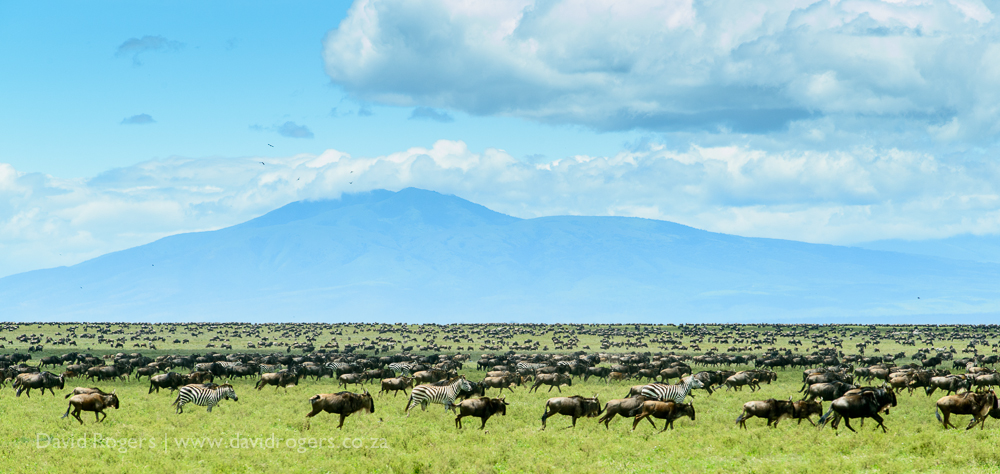
Tanzania is Africa’s ultimate safari destination. With roughly a quarter of its area protected in a network of parks that includes the world-famous Serengeti, Tanzania is home to almost half the world's remaining wild lions, and around one-fifth of Africa's surviving elephants. Then there are the two million wildebeest and zebra that migrate annually through the Serengeti ecosystem, embarking on the dramatic mass calvings and chaotic river crossings that make it one of the world's greatest wildlife spectacles.
Other prime wildlife sanctuaries include the Ngorongoro Crater bordering the Serengeti, the vast sprawl of the Selous Game Reserve (a wildlife sanctuary larger than Switzerland), and the lovely Lake Manyara, set spectacularly at the base of the Great Rift Valley. Meanwhile, further west, on the remote shore of the world's longest freshwater lake, Gombe Stream – the former stamping ground of Jane Goodall – and Mahale Mountains vie with each other as the top chimp tracking destinations in Africa.
Uganda
What other country can match Uganda for sheer variety? Within a compact area of 241,000km2, almost exactly the same as United Kingdom, you’ll find an unparalleled array of wildlife, scenery and cultures. For Uganda is where east meets west in Africa. East African savannahs roamed by big game merge with Congo-style rainforests bristling with primates (including mountain gorilla, golden monkey and chimpanzee) and birds (many associated with the Congo forests and found nowhere else in East Africa), to produce a mosaic of natural habitats that support, in total, 342 mammal species and 1,008 of bird.
Whatever your area of interest, Uganda abounds in unforgettable activities and encounters. You can track chimpanzees and mountain gorillas in the depths of tropical forests; search for tree-climbing lions on the open Ishasha plains; descend into the hot depths of the Western Rift Valley in search of rare birdlife; fish for a record Nile Perch on the island-studded expanse of Lake Victoria; raft the turbulent headwaters of the Nile and marvel at the great river’s eruption through a 6m canyon at Murchison Falls.
Why Tanzania's Southern circuit?
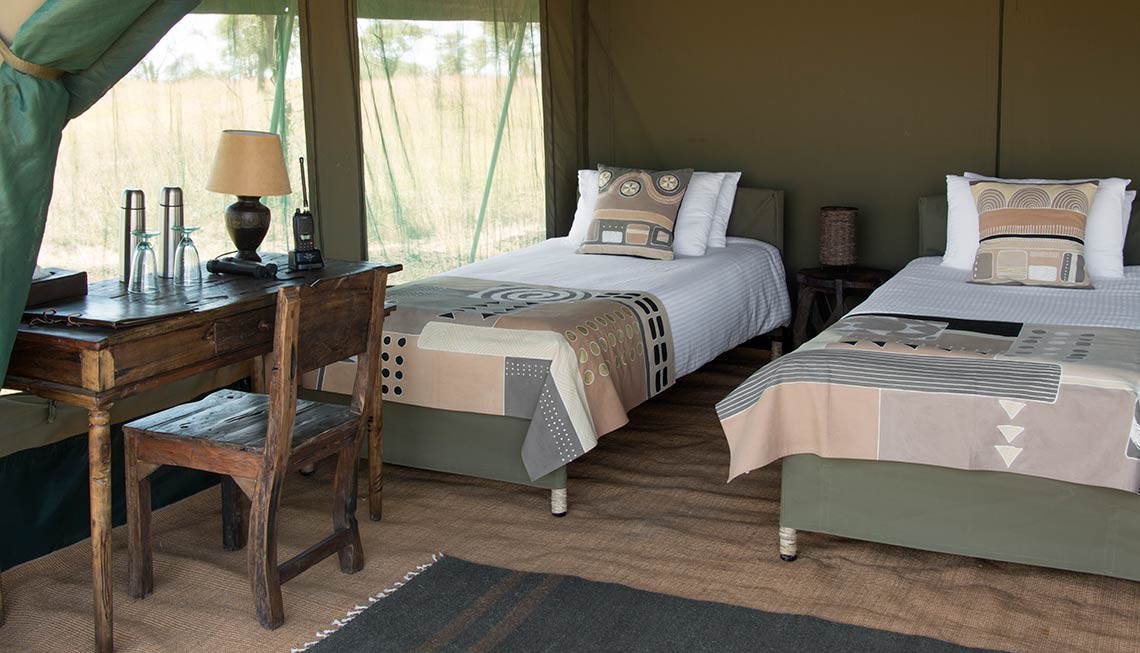
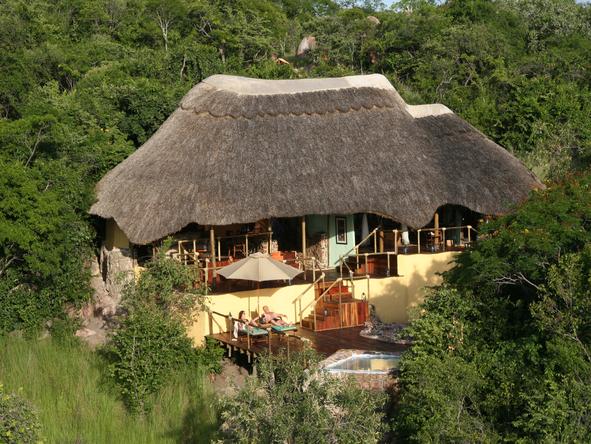
The national parks and game reserves of the Southern Safari Circuit are, arguably, the hidden treasures of Tanzania's natural heritage. These parks are enormous with some of the highest concentrations of animals anywhere in Africa and a spectacular diversity of wildlife including Roan Antelope, Sable Antelope, African Wild Dogs, and a multitude of colourful birdlife. The lodges and camps of the south are small and intimate, with no more than 30 rooms or tents at the very most. This means there are far fewer tourists in the South compared to the North, and allows the area to hold true to the tenets of eco-tourism.
Ruaha National Park is the largest national park in Tanzania. The addition of the Usangu Game Reserve and other important wetlands to the park in 2008 increased its size to about 20,226 square kilometres/7,809 sq mi). The Selous Game Reserve is one of the largest faunal reserves of the world, covering a total area of 54,600 square kilometers (21,100 sq mi) and has additional buffer zones. Within the reserve no permanent human habitation or permanent structures are permitted.
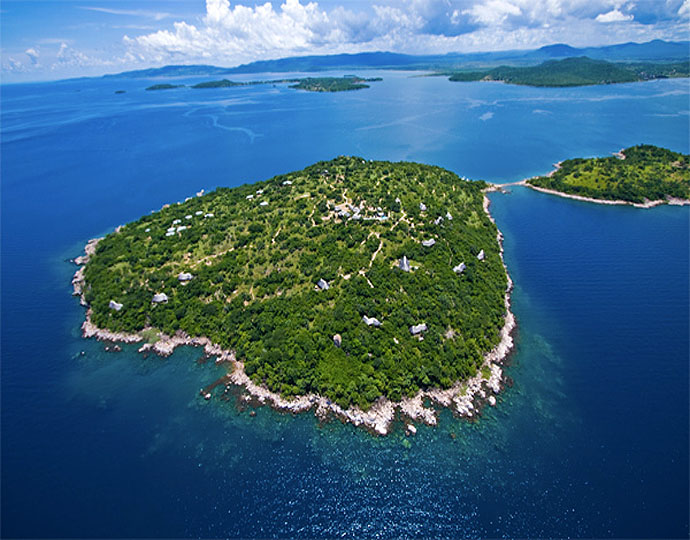
Fanjove Private Island Lodge is part of the Songo Songo Archipelago, 140km south of Dar es Salaam, in the Indian Ocean. Less than a kilometre long and with only six bandas, this is one of only two private-island experiences in Tanzania (the other being the very expensive Mnemba Island).You will be taken by Fanjove's beautiful white beaches, abundance of wildlife and privacy, which is increasingly harder to find on mainland Zanzibar. The lodge is simple, but well done – anything more luxurious would feel completely out of place on the island. Don't come expecting manicured lawns and swimming pools; instead enjoy exploring the rock pools and cliffs exposed at low tide, and watch the birds and crabs rest on the beach when the tide is high. This is a really exciting addition to Tanzania's coastline which allows guests to have a relaxing private-island experience,
Why go with us?
The man responsible for this tours has been traveling to Africa for the past 10 years with a special emphasis on East Africa. In this time he has gained more than just an insight into the area and the people, thus giving him great opportunity to introduce this area to anyone who is willing to experience something truly special.
His aim is to conduct responsible, sustainable eco-friendly tourism in his favorite part of the world, to open eyes and hearts to the beauty of the ancient land and the people who inhabit it, and to make sure our guests experience a unique, exclusive holiday/tour which they will never forget.
|
|
.png)


.png)





.png)
